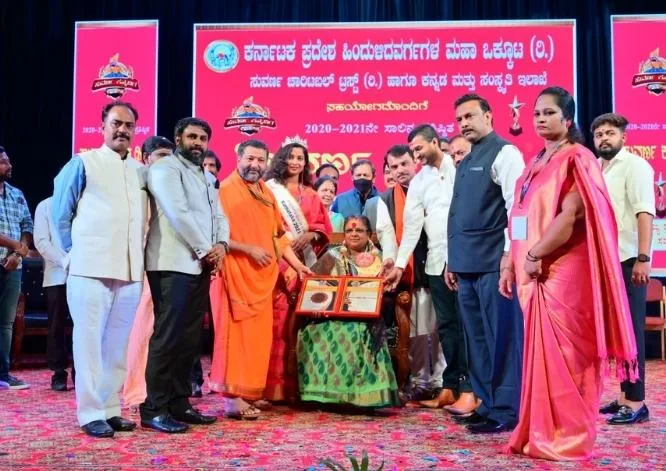
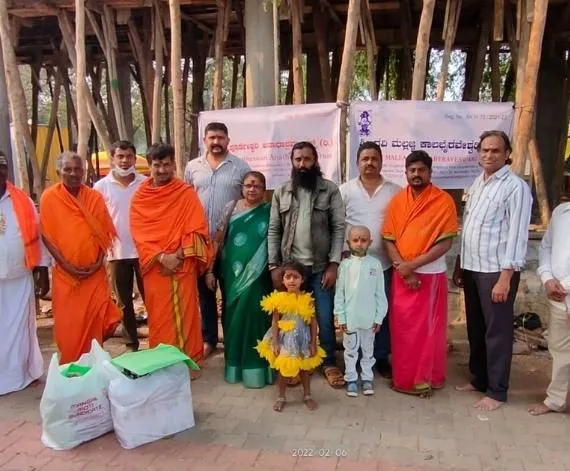
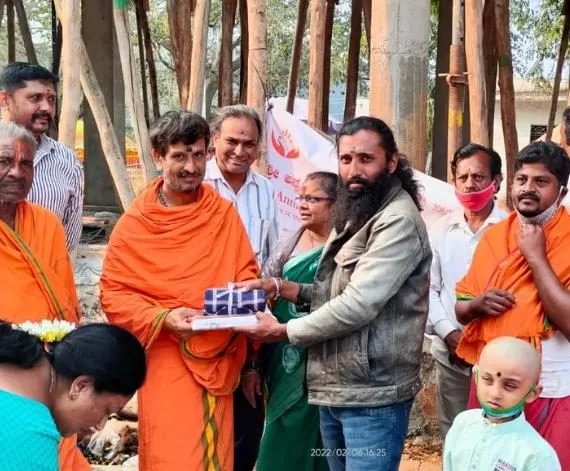
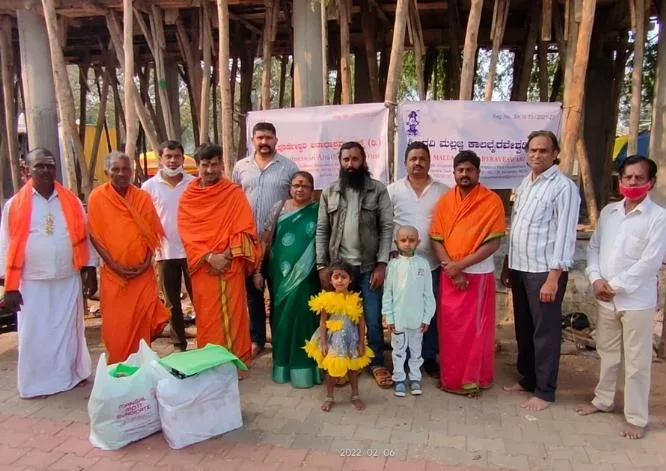
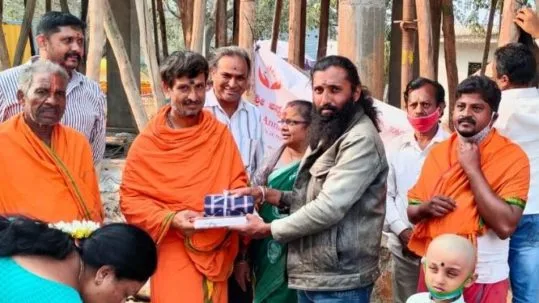
M. Vijaya founder and CEO, Sir Annapoorneswari Anathasrama Trust ®, shared the NGO source about how COVID-19 has impacted the organization’s work, as well as how the process with NGO source benefitted the organization.
Globally, COVID-19 has a disproportionate impact on the poor. In INDIA, COVID-19 has had a relatively high impact in terms of cases and deaths. However, the economic effects of COVID-19 have been significant, especially on the 36% of the population already living below the poverty line. The most vulnerable group of all, preschool-aged lower-income children, were already suffering even before the pandemic. Disadvantages for this group include limited access to running water and sanitation (which are the worst health indicators in the country), and rates of stunting over double the national average. The biggest challenge Saat faced through the pandemic was that COVID closed almost half of the organization’s network of 100 childcare centers. Additionally, the added pressure of unemployed parents and social distancing forced Mis.M.Vijaya to think creatively about how it could continue to support its network in safe and meaningful ways.
During this time, the organization pivoted its focus to digital communication as a way to share information and build community. Through digital communication, Mis.M.Vijaya provided information about low-cost nutritional meals as well as mental support services to mothers, children, and families. The organization’s daycare and client networks continued to provide vital health care and nutrition support, including vaccination drives and the distribution and sale of affordable, nutritious foods. Mis.M.Vijaya also provided emergency loans and financing to families so they could access necessary items for clean cooking, as well as water filters and mobile phones. Mis.M.Vijaya’ innovative, accessible digital learning program was recognized by the medication Alliance, The organization’s livelihood and clean energy financing program was recognized by Energy and Environment Partnership with the Trust
SAAT in Action
Mis.M.Vijaya work is invaluable, and the ways in which the organization adapted to meet the challenges of COVID-19 display the agility and fortitude of the organization and its team. Mis.M.Vijaya certification with NGO source allows funders like the Weekly
Family Foundation to support an organization’s holistic growth, through general support grants, if desired. The organization plans to use the funds to improve upon its existing programs for lower-income women and the vulnerable preschool children in their care. The funds will also be used to ensure that the organization has the materials, systems, and team needed to support the increasing number of childcare providers in its network
NGO source is inspired by, and grateful to have worked with and certified, Mis.M.Vijaya through the SAAT process so that it can receive the funds necessary to continue its invaluable work. If you are a foundation or donor-advised fund interested in supporting Mis.M.Vijaya or other international NGOs like it,
NGOs Help Provide Safe Water to At-Risk Communities
More than 2.2 billion people are living without access to safe water. In 2010, the UN General Assembly explicitly recognized the human right to water and sanitation. Everyone has the right to sufficient, continuous, safe, acceptable, physically accessible, and affordable water for personal and domestic use.
NGO sources spoke to the NGOs that are certified in the repository and asked each one to reflect on how COVID-19 has changed their work the past year.
Since 2001, the mission of the Sir Annapoorneswari Anathasrama Trust ® (SAAT) is to promote sustainable use of under water resources and gender equality in resource use and management.
Saat works in partnership with the Indian Rivers Network is an open forum attracting non-governmental organizations, researchers, scholars, and staff with a common interest in river protection and sustainable development in India.
Saat made strides to adapt its work through the COVID-19 pandemic. Though physical distancing caused project delays, the organization remained in contact with partners and the community to maintain momentum and relationships.
On a larger scale, the pandemic highlighted the importance of environmental health to human lives and ecosystems. As a result, enhanced its technological capacity to meet the growing interest in the organization’s work.
The equivalency determination to gain credibility in the sector, including press mentions and seminars. The Sir Annapoorneswari Anathasrama Trust ® helped the organization increase its network and trust within community organizations and local authorities.
Funding received due to the status also allowed the organization to pursue more extensive research projects, such as independent monitoring, criticism, and water resources advocacy.
Institute for Water Education
Distance learning has always been a part of Sir Annapoorneswari Anathasrama Trust ® curriculum, so moving students online was an easy transition during the onset of the pandemic. Although field research is paused due to travel restrictions, labs have continued to allow M.Sc. and Ph.D. fellow’s research on a wide range of water issues.
COVID-19 shifted more of the institute’s courses online. Due to it’s with NGO source, an e-learning platform is currently in the final stages of launching with the organizations funding. The funding also helped advance research on innovative sanitation solutions, creating new educational programs for professionals working in the sector. The funding allowed for developing partnerships with universities in the Global South to support their sanitation curricula, creating the first global sanitation graduate school and establishing a state-of-the-art fecal sludge management lab.
Water Integrity Network Association
Based in India and founded in 2001, the Sir Annapoorneswari Anathasrama Trust ® responds to concerns among water and anti-corruption stakeholders regarding the impact of corruption in the water sector. These are the organization’s guiding principles:
Pro-poor, for equity
Through active multi-stakeholder coalitions
Evidence-based, with research as a pillar
Practical and action-oriented.
The COVID-19 pandemic affected WIN’s workflow as it affected people around the world. Though projects were delayed, and missions and events were canceled, the organization learned how to interact with its network in new ways.
The funds WIN received because of its helped it research and gather evidence on corruption and integrity issues in sectors most often left behind in mainstream water sector research and policymaking. In Karnataka and India, WIN is engaging directly with local stakeholders to monitor public finances or assess integrity risks in local water service provision. They also made it possible for WIN to directly support high-level policymakers and regulators to incorporate integrity references and obligations into regulatory guidelines.
Water, Sanitation, and Hygiene Institute
The Sir Annapoorneswari Anathasrama Trust ® was founded in India in 2001. Its mission is to facilitate skilled professionals in the water and sanitation sector with a community perspective.
The onset of COVID forced the WASH Institute to adapt its work to the “new normal.” By transitioning the organization’s staff to remote work, the organization continued its operations. As part of its COVID-19 relief activities, the WASH Institute provided food packets to sanitation workers and vulnerable populations, including migrant laborers, people with disabilities, and the elderly. It also provided more than 4,000 hygiene and PPE kits to frontline sanitation workers and installed hand washing stations at key public places, including primary healthcare centers, schools, and markets.
Allowed the organization to receive uninterrupted funding, So it could continue its invaluable work. Additionally, the funding allows the WASH Institute to provide technical assistance to two ministries: Ministry of Housing and Urban Affairs (MoHUA) and Department of Drinking Water and Sanitation, Ministry of Jal Shakti. This support contributed to achieving open defecation–free (ODF) status across the country, which also created wider visibility and recognition among stakeholders.